
Digital-Move
Seamlessly Transitioning Your Business into the Digital Age with Innovative Solutions and Expert Guidance.
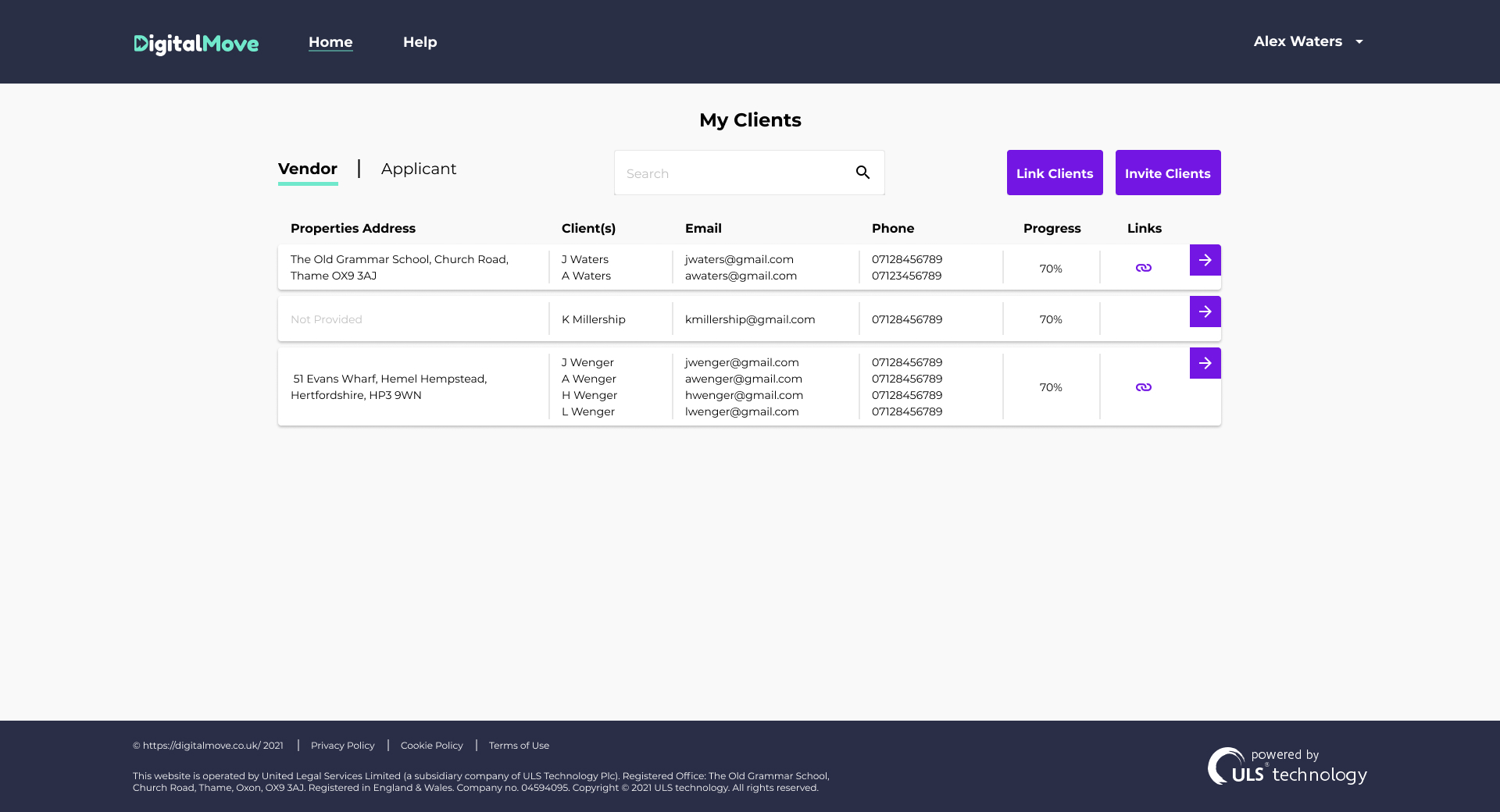
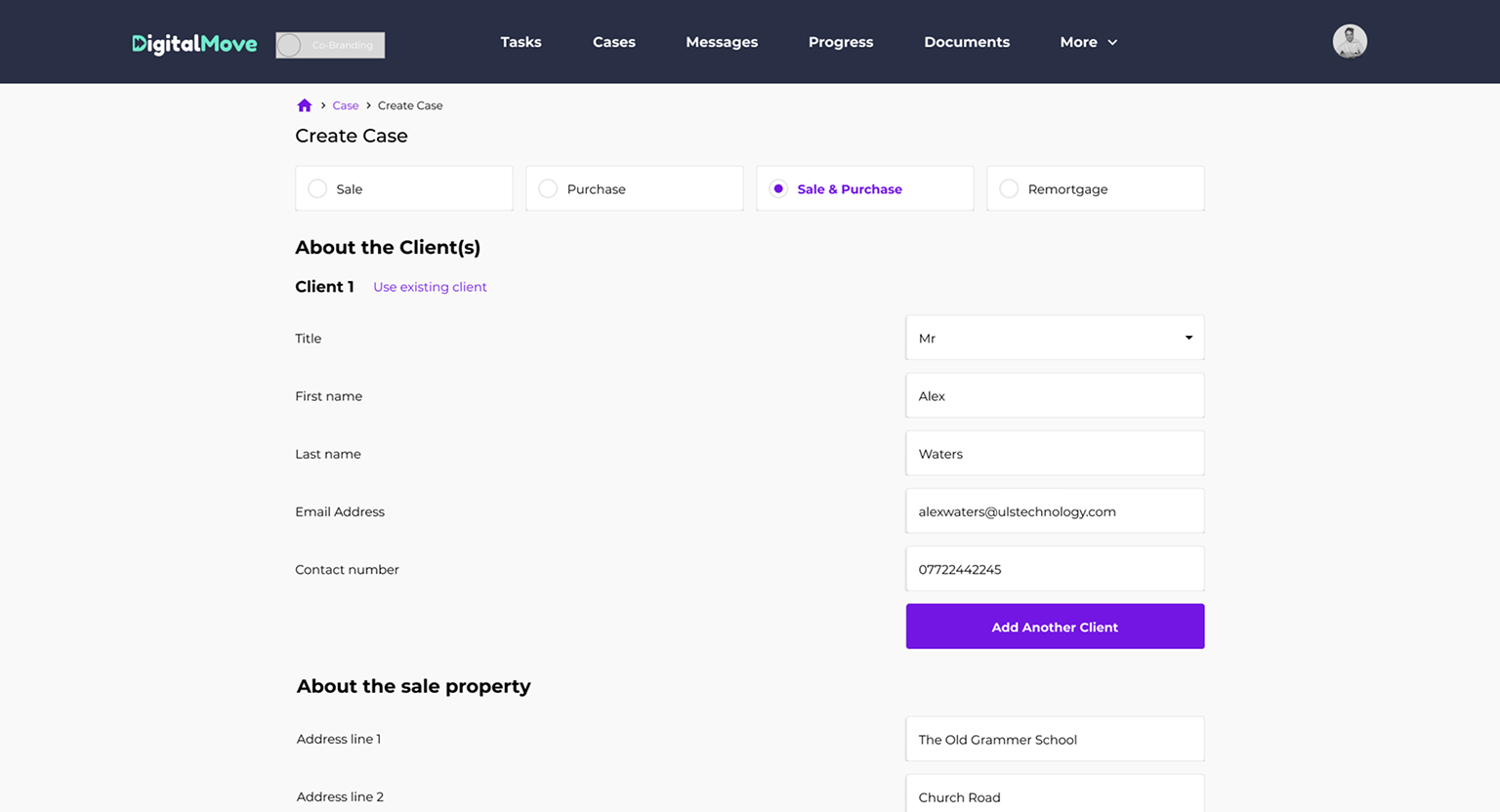
DigitalMove enhances the conveyancing process and addresses concerns raised by consumers, the home moving industry and policy makers. Through a modern, intuitive user interface, DigitalMove provides a more consistent experience and improved security over traditional conveyancing (Digitalmove.co.uk, 2021).

Client
ULS Technology (Smoove)
Role
UX/ UI Designer
Team
1 Designer, 2 Developers and 4 PMs
Timeframe
Apr 2021 - Feb 2022

Anita
Head of Project Mangers

"Working with Alex on the DigitalMove platform was a game-changer for our team. His design expertise turned a complex, multi-stakeholder process into an intuitive, user-friendly experience that our clients instantly understood and trusted. The results speak for themselves"
The Problem
Designing for a complex, multi-stakeholder journey
Home moving is inherently complicated, involving buyers, sellers, estate agents, and conveyancers — each with different needs, priorities, and levels of technical confidence. One of the key challenges was designing a single platform that felt intuitive and reassuring for all users, while still handling legally complex processes behind the scenes.
Reducing friction without losing trust
A core goal of DigitalMove was to remove paperwork, email chains, and manual admin. The challenge was to simplify these steps without making the process feel opaque or risky. Users needed to clearly understand what was happening, what was required of them, and how their data and identity were being protected at every stage.
Improving communication and transparency
Poor communication is a major cause of stress and fall-throughs in property transactions. The platform needed to provide real-time updates and clear progress indicators, ensuring all parties stayed aligned without increasing cognitive load or introducing unnecessary notifications.
Supporting security, compliance, and usability
Features such as digital ID verification, document signing, and fraud prevention introduced additional complexity. The challenge was to integrate these securely while maintaining a smooth, accessible experience across desktop, tablet, and mobile — particularly for users unfamiliar with digital conveyancing tools.
The Project Goals
The primary goal of DigitalMove was to modernise the conveyancing experience by creating a secure, user-centred platform that simplified one of the most complex stages of the home-moving journey. The project aimed to replace fragmented communication, manual paperwork, and lengthy administrative processes with a seamless digital experience that increased transparency and reduced friction for everyone involved.
A key objective was to design an interface that could accommodate the needs of multiple user groups, including buyers, sellers, estate agents, and conveyancers, while ensuring the experience remained intuitive regardless of technical ability. The platform also needed to build trust by making complex legal processes feel clear and manageable, giving users confidence through real-time progress tracking, secure identity verification, and straightforward document management. Ultimately, the goal was to create a faster, more efficient, and more accessible conveyancing process that improved collaboration, reduced delays, and supported the industry's transition towards digital services.
The Process
Every project starts with understanding the problem before designing a solution. I use the Double Diamond design process as a guide because it keeps the work focused on real user needs while ensuring the final product meets business goals.
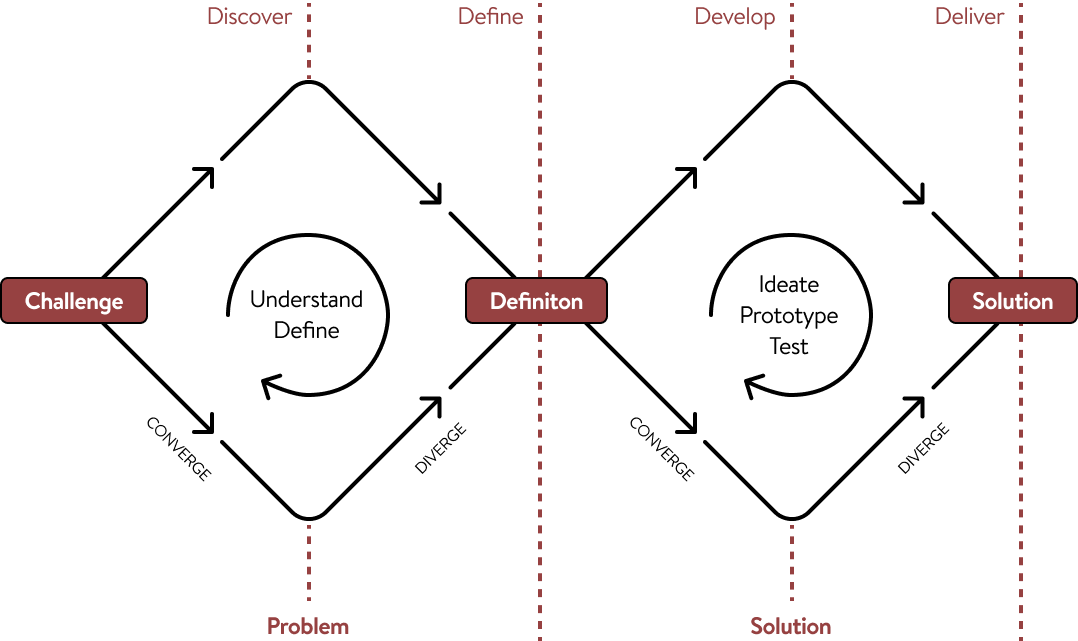
Discover (Understanding the Problem)
Before opening Figma, I take time to learn about the business, the users, and the challenges they're facing.
This might include:
- Learning about your business goals
- Understanding your target audience
- Reviewing existing products or websites
- Looking at competitors and industry trends
- Identifying pain points and opportunities
The goal is to build a clear picture of what needs to be solved—not just what needs to be designed.
Define (Creating a Clear Direction)
Once the research is complete, I organise the findings into a clear plan.
During this stage, I:
- Prioritise the biggest user and business needs
- Define project goals
- Map out user journeys
- Decide which features or pages will have the greatest impact
This creates a strong foundation before moving into design, helping avoid unnecessary revisions later.
Develop (Exploring Solutions)
With a clear direction in place, I begin designing and testing ideas.
This typically includes:
- Wireframes
- User flows
- Interface design
- Interactive prototypes
- Gathering feedback and refining the design
Rather than settling on the first idea, I explore different approaches to find the solution that works best for both users and the business.
Deliver (Building the Final Product)
The final stage is about turning the chosen solution into something ready to launch. This includes:
- High-fidelity UI designs
- Design systems and components
- Developer handoff
- Final quality checks
- Support during implementation when needed
The result is a polished, user-focused product that is designed to solve real problems, not just look good.
Why This Process Matters
Following a structured design process helps reduce guesswork, keeps projects aligned with business goals, and ensures every design decision has a purpose.
It also creates better communication throughout the project, giving clients visibility into each stage and confidence that we're solving the right problem before investing time in the final design.
Conclusion
The redesigned DigitalMove platform delivered clear, measurable improvements across both operational efficiency and user experience. By centralising information and digitising key steps in the conveyancing process, administrative bottlenecks were significantly reduced, helping transactions move forward with greater speed and clarity.
Transaction times decreased by approximately 25%, driven by improved communication, real-time status updates, and the removal of manual paperwork. Conveyancers reported a 50% improvement in efficiency, particularly in case tracking and document management, allowing them to focus more on high-value tasks.
The intuitive interface supported adoption across a wide range of users, with 10,000+ clients confidently completing onboarding, ID verification, and document signing online. This contributed to a 40% reduction in delays caused by missing information or stalled communication.
Overall, DigitalMove successfully modernised the home-moving experience, reducing stress, increasing transparency, and delivering a faster, more secure process for everyone involved.
40% increase
in digital engagement following the transition to a digital-first experience
28% reduction
in bounce rate across key entry points
45% increase
in primary CTA interactions after restructuring journeys and hierarchy
Reflection & Take-Away
Working on DigitalMove reinforced the importance of designing beyond individual screens and considering the wider service experience. The project required balancing the needs of multiple stakeholders while ensuring that the platform remained simple and reassuring for end users. It highlighted how thoughtful UX design can reduce complexity without oversimplifying critical legal processes.
One of the biggest lessons was the value of transparency in building user trust. Features such as clear progress tracking, timely updates, and visible security measures helped users feel informed and confident throughout what is often a stressful journey. This project also strengthened my understanding of designing for regulated environments, where usability, accessibility, and compliance must work together rather than compete.
Looking back, DigitalMove demonstrated how effective digital transformation is not only about replacing manual processes with technology but about creating experiences that genuinely improve people's lives. Seeing measurable improvements in transaction times, operational efficiency, and user adoption reinforced the impact that user-centred design can have on both business outcomes and customer satisfaction.


Say Hello
I’m open for freelance and permanent role opportunities. Or simply say hello, if you like the site!
LinkedIn
me@alexwaters.co.ukSite designed and built by Alex Waters
©2026
Digital-Move
Seamlessly Transitioning Your Business into the Digital Age with Innovative Solutions and Expert Guidance.
DigitalMove enhances the conveyancing process and addresses concerns raised by consumers, the home moving industry and policy makers. Through a modern, intuitive user interface, DigitalMove provides a more consistent experience and improved security over traditional conveyancing (Digitalmove.co.uk, 2021).

Client
ULS Technology (Smoove)
Role
UX/ UI Designer
Team
1 Designer, 2 Developers and 4 PMs
Timeframe
Apr 2021 - Feb 2022
Anita
Head of Project Mangers
"Working with Alex on the DigitalMove platform was a game-changer for our team. His design expertise turned a complex, multi-stakeholder process into an intuitive, user-friendly experience that our clients instantly understood and trusted. The results speak for themselves"
The Problem
Designing for a complex, multi-stakeholder journey
Home moving is inherently complicated, involving buyers, sellers, estate agents, and conveyancers — each with different needs, priorities, and levels of technical confidence. One of the key challenges was designing a single platform that felt intuitive and reassuring for all users, while still handling legally complex processes behind the scenes.
Reducing friction without losing trust
A core goal of DigitalMove was to remove paperwork, email chains, and manual admin. The challenge was to simplify these steps without making the process feel opaque or risky. Users needed to clearly understand what was happening, what was required of them, and how their data and identity were being protected at every stage.
Improving communication and transparency
Poor communication is a major cause of stress and fall-throughs in property transactions. The platform needed to provide real-time updates and clear progress indicators, ensuring all parties stayed aligned without increasing cognitive load or introducing unnecessary notifications.
Supporting security, compliance, and usability
Features such as digital ID verification, document signing, and fraud prevention introduced additional complexity. The challenge was to integrate these securely while maintaining a smooth, accessible experience across desktop, tablet, and mobile — particularly for users unfamiliar with digital conveyancing tools.
The Project Goals
The primary goal of DigitalMove was to modernise the conveyancing experience by creating a secure, user-centred platform that simplified one of the most complex stages of the home-moving journey. The project aimed to replace fragmented communication, manual paperwork, and lengthy administrative processes with a seamless digital experience that increased transparency and reduced friction for everyone involved.
A key objective was to design an interface that could accommodate the needs of multiple user groups, including buyers, sellers, estate agents, and conveyancers, while ensuring the experience remained intuitive regardless of technical ability. The platform also needed to build trust by making complex legal processes feel clear and manageable, giving users confidence through real-time progress tracking, secure identity verification, and straightforward document management. Ultimately, the goal was to create a faster, more efficient, and more accessible conveyancing process that improved collaboration, reduced delays, and supported the industry's transition towards digital services.
The Process
Every project starts with understanding the problem before designing a solution. I use the Double Diamond design process as a guide because it keeps the work focused on real user needs while ensuring the final product meets business goals.
Discover (Understanding the Problem)
Before opening Figma, I take time to learn about the business, the users, and the challenges they're facing.
This might include:
- Learning about your business goals
- Understanding your target audience
- Reviewing existing products or websites
- Looking at competitors and industry trends
- Identifying pain points and opportunities
The goal is to build a clear picture of what needs to be solved—not just what needs to be designed.
Define (Creating a Clear Direction)
Once the research is complete, I organise the findings into a clear plan.
During this stage, I:
- Prioritise the biggest user and business needs
- Define project goals
- Map out user journeys
- Decide which features or pages will have the greatest impact
This creates a strong foundation before moving into design, helping avoid unnecessary revisions later.
Develop (Exploring Solutions)
With a clear direction in place, I begin designing and testing ideas.
This typically includes:
- Wireframes
- User flows
- Interface design
- Interactive prototypes
- Gathering feedback and refining the design
Rather than settling on the first idea, I explore different approaches to find the solution that works best for both users and the business.
Deliver (Building the Final Product)
The final stage is about turning the chosen solution into something ready to launch. This includes:
- High-fidelity UI designs
- Design systems and components
- Developer handoff
- Final quality checks
- Support during implementation when needed
The result is a polished, user-focused product that is designed to solve real problems, not just look good.
Why This Process Matters
Following a structured design process helps reduce guesswork, keeps projects aligned with business goals, and ensures every design decision has a purpose.
It also creates better communication throughout the project, giving clients visibility into each stage and confidence that we're solving the right problem before investing time in the final design.
Conclusion
The redesigned DigitalMove platform delivered clear, measurable improvements across both operational efficiency and user experience. By centralising information and digitising key steps in the conveyancing process, administrative bottlenecks were significantly reduced, helping transactions move forward with greater speed and clarity.
Transaction times decreased by approximately 25%, driven by improved communication, real-time status updates, and the removal of manual paperwork. Conveyancers reported a 50% improvement in efficiency, particularly in case tracking and document management, allowing them to focus more on high-value tasks.
The intuitive interface supported adoption across a wide range of users, with 10,000+ clients confidently completing onboarding, ID verification, and document signing online. This contributed to a 40% reduction in delays caused by missing information or stalled communication.
Overall, DigitalMove successfully modernised the home-moving experience, reducing stress, increasing transparency, and delivering a faster, more secure process for everyone involved.
40% increase
in digital engagement following the transition to a digital-first experience
28% reduction
in bounce rate across key entry points
45% increase
in primary CTA interactions after restructuring journeys and hierarchy
Reflection & Take-Away
Working on DigitalMove reinforced the importance of designing beyond individual screens and considering the wider service experience. The project required balancing the needs of multiple stakeholders while ensuring that the platform remained simple and reassuring for end users. It highlighted how thoughtful UX design can reduce complexity without oversimplifying critical legal processes.
One of the biggest lessons was the value of transparency in building user trust. Features such as clear progress tracking, timely updates, and visible security measures helped users feel informed and confident throughout what is often a stressful journey. This project also strengthened my understanding of designing for regulated environments, where usability, accessibility, and compliance must work together rather than compete.
Looking back, DigitalMove demonstrated how effective digital transformation is not only about replacing manual processes with technology but about creating experiences that genuinely improve people's lives. Seeing measurable improvements in transaction times, operational efficiency, and user adoption reinforced the impact that user-centred design can have on both business outcomes and customer satisfaction.

Site designed and built by Alex Waters
©2026
Say Hello
I’m open for freelance and permanent role opportunities. Or simply say hello, if you like the site!
LinkedIn
me@alexwaters.co.uk