Co-Branded Sites
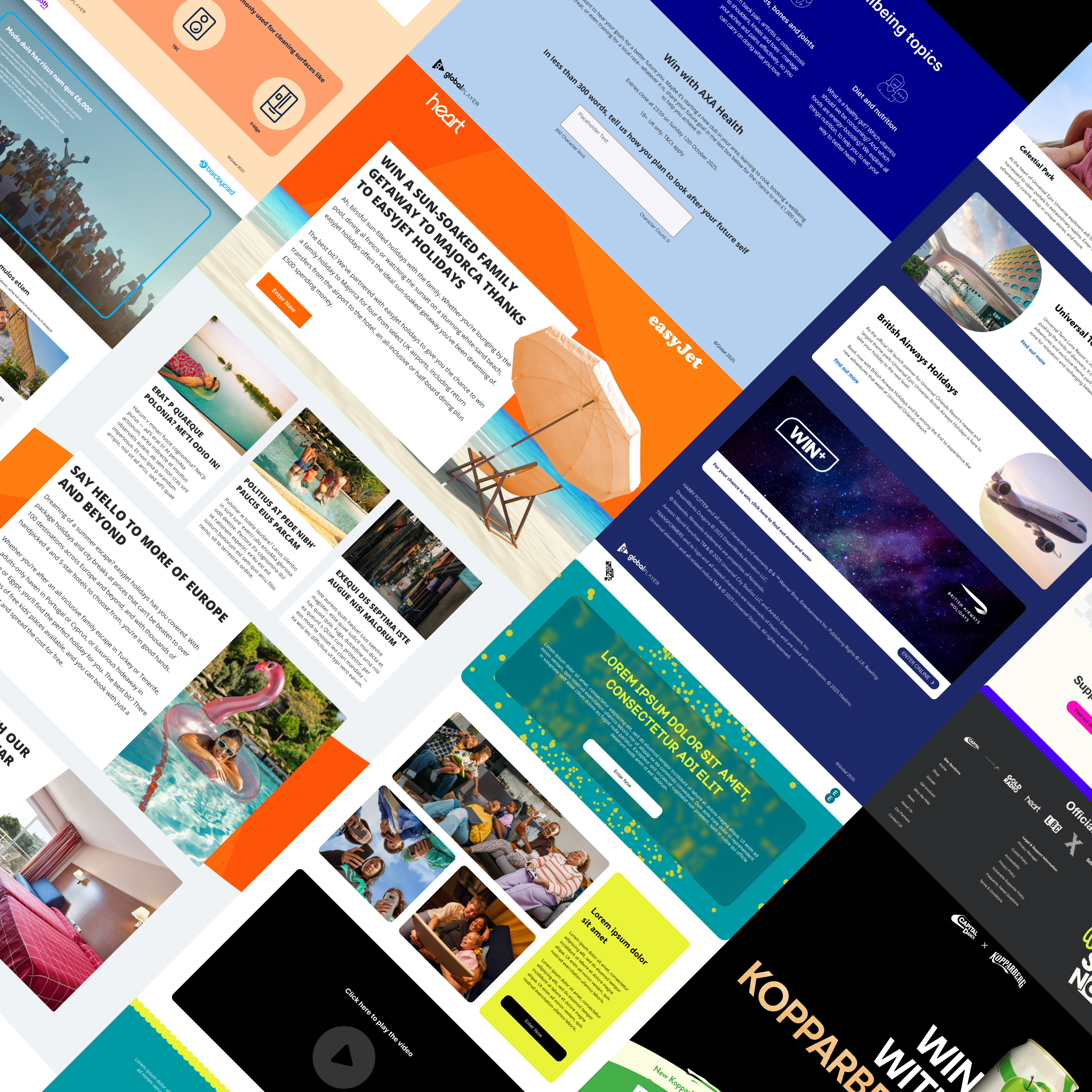
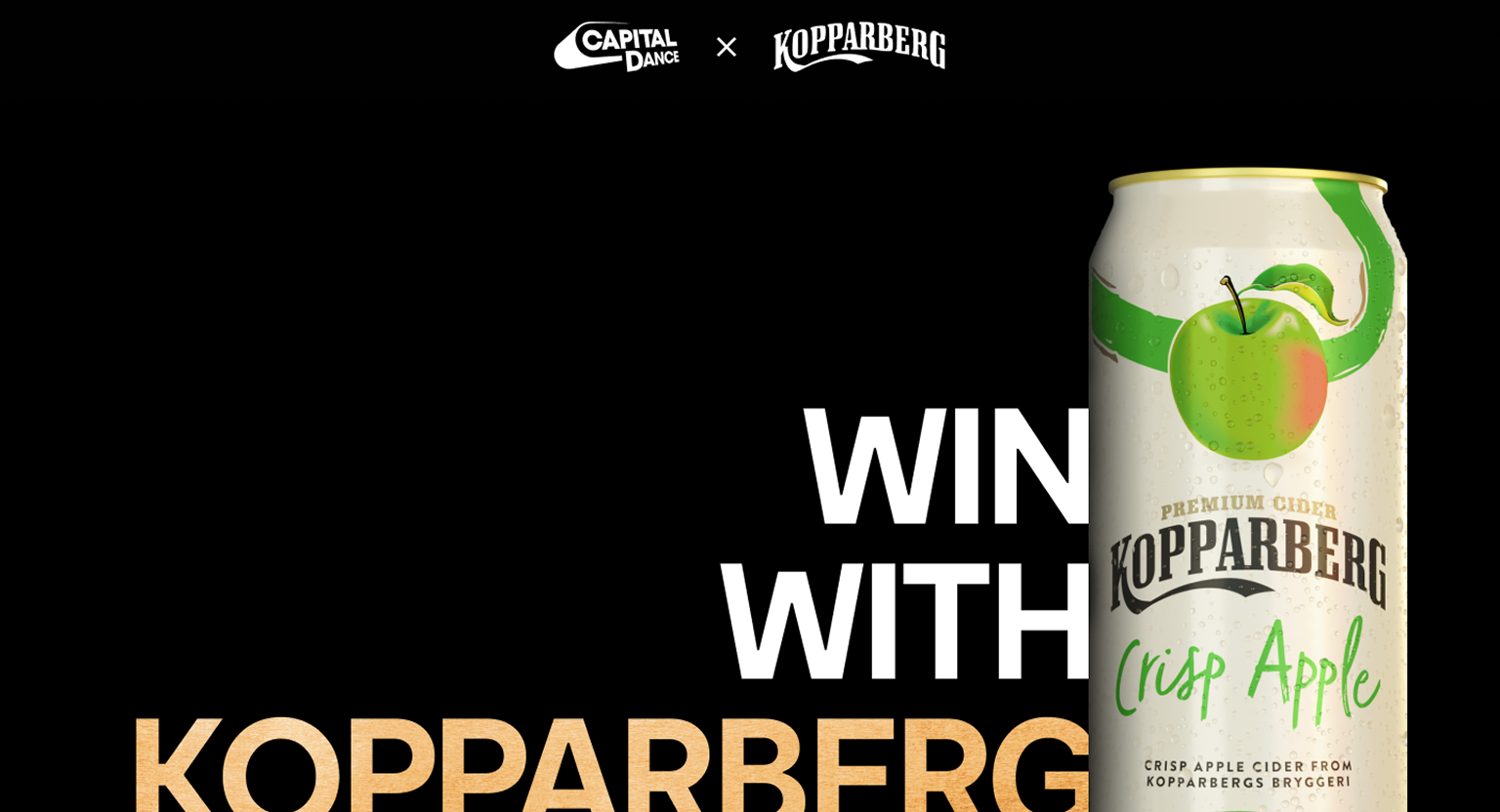
A series of branded competition pages created in partnership between leading brands and Global’s radio stations, including Capital FM, Radio X, Smooth, Classic FM, and more. These campaigns combined brand messaging with the stations’ audiences to drive engagement, awareness, and participation.
I design and deliver premium co-branded digital experiences, creating high-impact single-page applications that bring campaigns to life across diverse audiences and platforms. My work combines bold visual storytelling, scalable design systems, and technical insight, ensuring each project is both creative and strategically effective. Through seamless collaboration and end-to-end ownership, I produce polished, on-brand experiences that consistently engage and inspire.

Client
Global
Role
Senior UX/ UI Designer
Team
3 Designers, 3 Developers and 1PM
Timeframe
Jan 2025 - Oc 2025

Francis
Head of Design at Global

“Alex brought a unique blend of creativity, precision, and leadership to the team. Over the years, I’ve worked with many designers, but few have matched his level of proactive thinking, collaborative energy, and ability to raise the bar for the entire department. He’s been an invaluable part of our design evolution.”
The Problem
The primary challenge was the pace of delivery. Each co-branded site had a very short turnaround, often just two to three days from brief to final design. This meant quickly understanding new brand guidelines, campaign objectives, and audience expectations, while still maintaining a high standard of creative and strategic thinking.
It was also demanding to context-switch between multiple briefs running in parallel. At times, this meant shifting focus to a new campaign before another was fully complete, requiring strong organisation, mental agility, and the ability to stay creatively consistent under pressure.
The Project Goals
The goal of these projects was to create premium co-branded digital experiences that successfully balanced the identity of two brands within a single, cohesive campaign. Every page needed to communicate the partner brand's message while remaining authentic to the visual language and audience expectations of Global's radio stations. Alongside creating visually engaging experiences, the designs needed to encourage participation, strengthen brand awareness, and support measurable commercial outcomes.
A key objective was to establish an efficient and repeatable design approach that could adapt to different brand guidelines without compromising creativity or quality. With campaigns moving from brief to delivery in just a few days, it was essential to make informed design decisions quickly, collaborate closely with stakeholders, and deliver polished experiences that met both strategic and business goals within demanding timeframes.
The Process
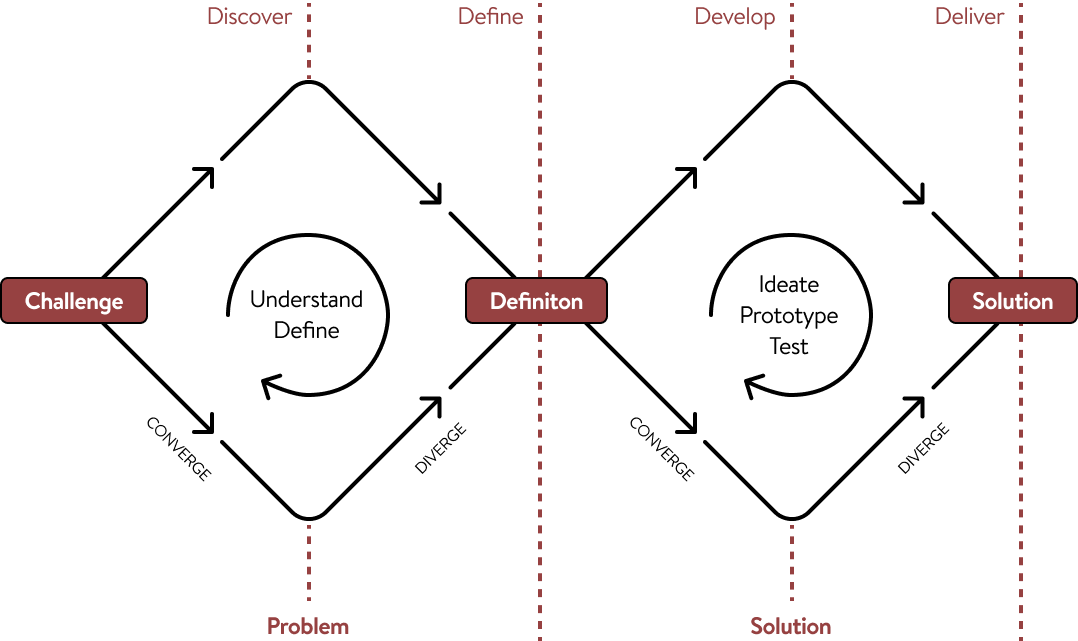
Every project starts with understanding the problem before designing a solution. I use the Double Diamond design process as a guide because it keeps the work focused on real user needs while ensuring the final product meets business goals.
Discover (Understanding the Problem)
Before opening Figma, I take time to learn about the business, the users, and the challenges they're facing.
This might include:
- Learning about your business goals
- Understanding your target audience
- Reviewing existing products or websites
- Looking at competitors and industry trends
- Identifying pain points and opportunities
The goal is to build a clear picture of what needs to be solved—not just what needs to be designed.
Define (Creating a Clear Direction)
Once the research is complete, I organise the findings into a clear plan.
During this stage, I:
- Prioritise the biggest user and business needs
- Define project goals
- Map out user journeys
- Decide which features or pages will have the greatest impact
This creates a strong foundation before moving into design, helping avoid unnecessary revisions later.
Develop (Exploring Solutions)
With a clear direction in place, I begin designing and testing ideas.
This typically includes:
- Wireframes
- User flows
- Interface design
- Interactive prototypes
- Gathering feedback and refining the design
Rather than settling on the first idea, I explore different approaches to find the solution that works best for both users and the business.
Deliver (Building the Final Product)
The final stage is about turning the chosen solution into something ready to launch. This includes:
- High-fidelity UI designs
- Design systems and components
- Developer handoff
- Final quality checks
- Support during implementation when needed
The result is a polished, user-focused product that is designed to solve real problems, not just look good.
Why This Process Matters
Following a structured design process helps reduce guesswork, keeps projects aligned with business goals, and ensures every design decision has a purpose.
It also creates better communication throughout the project, giving clients visibility into each stage and confidence that we're solving the right problem before investing time in the final design.
Conclusion
Despite the tight timelines, the outcome was a series of high-quality, polished page designs that consistently met both client and internal expectations. The co-branded experiences were well received, with clients regularly expressing confidence and satisfaction in the final output.
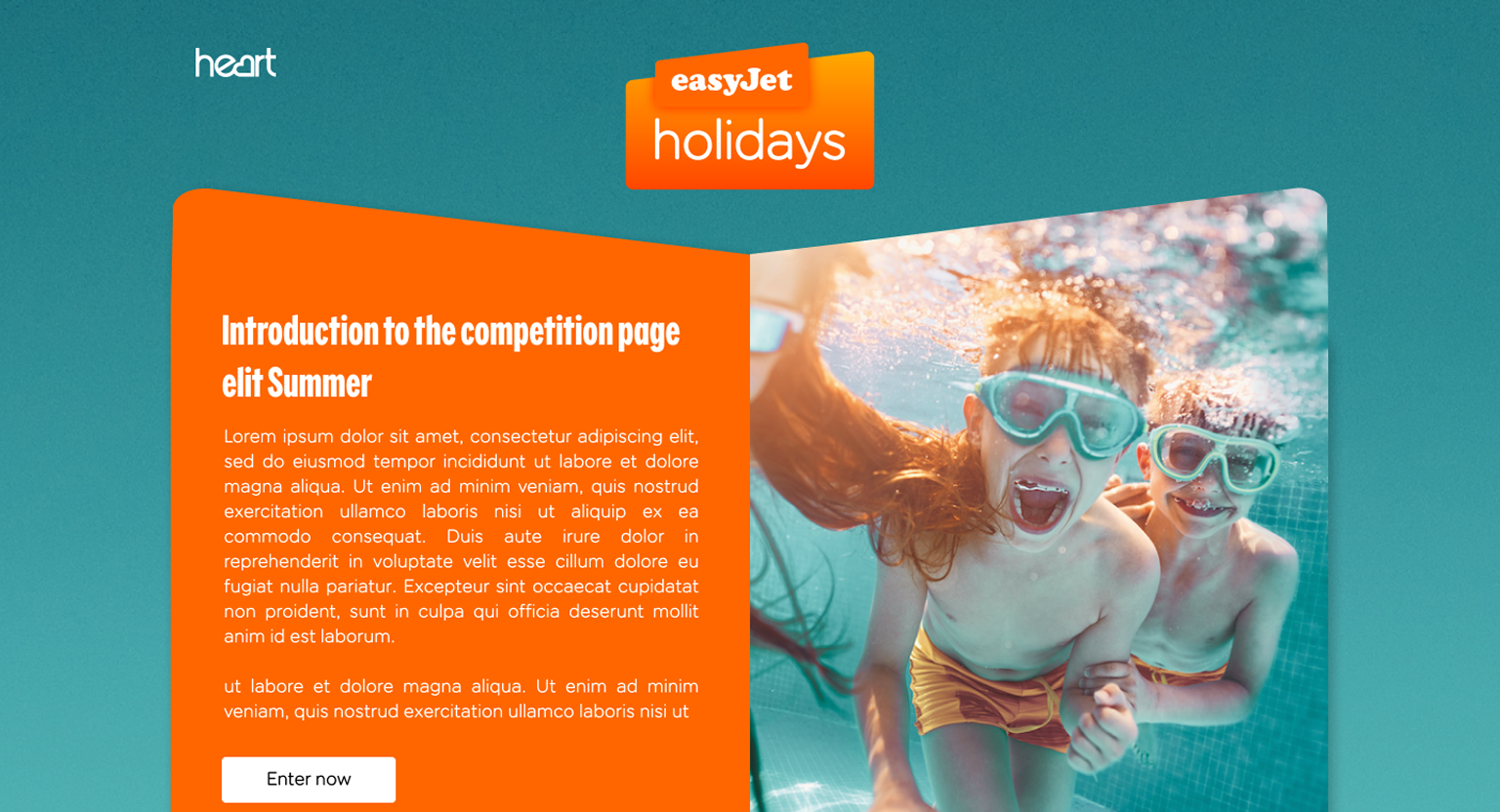
In one notable example, EasyJet returned a few weeks after launch to share that the co-branded campaign site had generated over £1 million in sales. This clearly demonstrated the commercial impact of the work, as well as the effectiveness of combining strong design, clear messaging, and well-targeted audiences.
£1M+ revenue
generated from a single co-branded campaign (EasyJet)
30–45% Avg
engagement rate across competition pages
100%
client satisfaction with repeat briefs from partner brands
Reflection & Take-Away
Working across a large number of co-branded campaigns reinforced the importance of balancing speed with thoughtful design. The fast-paced nature of the work strengthened my ability to absorb new brand identities quickly, prioritise effectively, and maintain a consistently high standard even when managing multiple projects simultaneously. It also highlighted the value of creating flexible design systems and reusable components, enabling faster delivery while ensuring every campaign still felt unique and tailored to its audience.
These projects also deepened my understanding of design as a commercial tool rather than simply a visual one. Seeing campaigns generate tangible business results, including one that contributed more than £1 million in sales, demonstrated how strategic design, clear communication, and strong collaboration can directly influence business performance. It reinforced the importance of designing with both user experience and measurable outcomes in mind, an approach that continues to shape how I work today.


Say Hello
I’m open for freelance and permanent role opportunities. Or simply say hello, if you like the site!
LinkedIn
me@alexwaters.co.ukSite designed and built by Alex Waters
©2026
Co-Branded Sites
A series of branded competition pages created in partnership between leading brands and Global’s radio stations, including Capital FM, Radio X, Smooth, Classic FM, and more. These campaigns combined brand messaging with the stations’ audiences to drive engagement, awareness, and participation.
I design and deliver premium co-branded digital experiences, creating high-impact single-page applications that bring campaigns to life across diverse audiences and platforms. My work combines bold visual storytelling, scalable design systems, and technical insight, ensuring each project is both creative and strategically effective. Through seamless collaboration and end-to-end ownership, I produce polished, on-brand experiences that consistently engage and inspire.

Client
Global
Role
Senior UX/ UI Designer
Team
3 Designers, 3 Developers and 1PM
Timeframe
Jan 2025 - Oc 2025
Francis
Head of Design at Global
“Alex brought a unique blend of creativity, precision, and leadership to the team. Over the years, I’ve worked with many designers, but few have matched his level of proactive thinking, collaborative energy, and ability to raise the bar for the entire department. He’s been an invaluable part of our design evolution.”
The Problem
The primary challenge was the pace of delivery. Each co-branded site had a very short turnaround, often just two to three days from brief to final design. This meant quickly understanding new brand guidelines, campaign objectives, and audience expectations, while still maintaining a high standard of creative and strategic thinking.
It was also demanding to context-switch between multiple briefs running in parallel. At times, this meant shifting focus to a new campaign before another was fully complete, requiring strong organisation, mental agility, and the ability to stay creatively consistent under pressure.
The Project Goals
The goal of these projects was to create premium co-branded digital experiences that successfully balanced the identity of two brands within a single, cohesive campaign. Every page needed to communicate the partner brand's message while remaining authentic to the visual language and audience expectations of Global's radio stations. Alongside creating visually engaging experiences, the designs needed to encourage participation, strengthen brand awareness, and support measurable commercial outcomes.
A key objective was to establish an efficient and repeatable design approach that could adapt to different brand guidelines without compromising creativity or quality. With campaigns moving from brief to delivery in just a few days, it was essential to make informed design decisions quickly, collaborate closely with stakeholders, and deliver polished experiences that met both strategic and business goals within demanding timeframes.
The Process
Every project starts with understanding the problem before designing a solution. I use the Double Diamond design process as a guide because it keeps the work focused on real user needs while ensuring the final product meets business goals.
Discover (Understanding the Problem)
Before opening Figma, I take time to learn about the business, the users, and the challenges they're facing.
This might include:
- Learning about your business goals
- Understanding your target audience
- Reviewing existing products or websites
- Looking at competitors and industry trends
- Identifying pain points and opportunities
The goal is to build a clear picture of what needs to be solved—not just what needs to be designed.
Define (Creating a Clear Direction)
Once the research is complete, I organise the findings into a clear plan.
During this stage, I:
- Prioritise the biggest user and business needs
- Define project goals
- Map out user journeys
- Decide which features or pages will have the greatest impact
This creates a strong foundation before moving into design, helping avoid unnecessary revisions later.
Develop (Exploring Solutions)
With a clear direction in place, I begin designing and testing ideas.
This typically includes:
- Wireframes
- User flows
- Interface design
- Interactive prototypes
- Gathering feedback and refining the design
Rather than settling on the first idea, I explore different approaches to find the solution that works best for both users and the business.
Deliver (Building the Final Product)
The final stage is about turning the chosen solution into something ready to launch. This includes:
- High-fidelity UI designs
- Design systems and components
- Developer handoff
- Final quality checks
- Support during implementation when needed
The result is a polished, user-focused product that is designed to solve real problems, not just look good.
Why This Process Matters
Following a structured design process helps reduce guesswork, keeps projects aligned with business goals, and ensures every design decision has a purpose.
It also creates better communication throughout the project, giving clients visibility into each stage and confidence that we're solving the right problem before investing time in the final design.
Conclusion
Despite the tight timelines, the outcome was a series of high-quality, polished page designs that consistently met both client and internal expectations. The co-branded experiences were well received, with clients regularly expressing confidence and satisfaction in the final output.
In one notable example, EasyJet returned a few weeks after launch to share that the co-branded campaign site had generated over £1 million in sales. This clearly demonstrated the commercial impact of the work, as well as the effectiveness of combining strong design, clear messaging, and well-targeted audiences.
£1M+ revenue
generated from a single co-branded campaign (EasyJet)
30–45% Avg
engagement rate across competition pages
100%
client satisfaction with repeat briefs from partner brands
Reflection & Take-Away
Working across a large number of co-branded campaigns reinforced the importance of balancing speed with thoughtful design. The fast-paced nature of the work strengthened my ability to absorb new brand identities quickly, prioritise effectively, and maintain a consistently high standard even when managing multiple projects simultaneously. It also highlighted the value of creating flexible design systems and reusable components, enabling faster delivery while ensuring every campaign still felt unique and tailored to its audience.
These projects also deepened my understanding of design as a commercial tool rather than simply a visual one. Seeing campaigns generate tangible business results, including one that contributed more than £1 million in sales, demonstrated how strategic design, clear communication, and strong collaboration can directly influence business performance. It reinforced the importance of designing with both user experience and measurable outcomes in mind, an approach that continues to shape how I work today.

Site designed and built by Alex Waters
©2026
Say Hello
I’m open for freelance and permanent role opportunities. Or simply say hello, if you like the site!
LinkedIn
me@alexwaters.co.uk