Pay your Tax Monthly
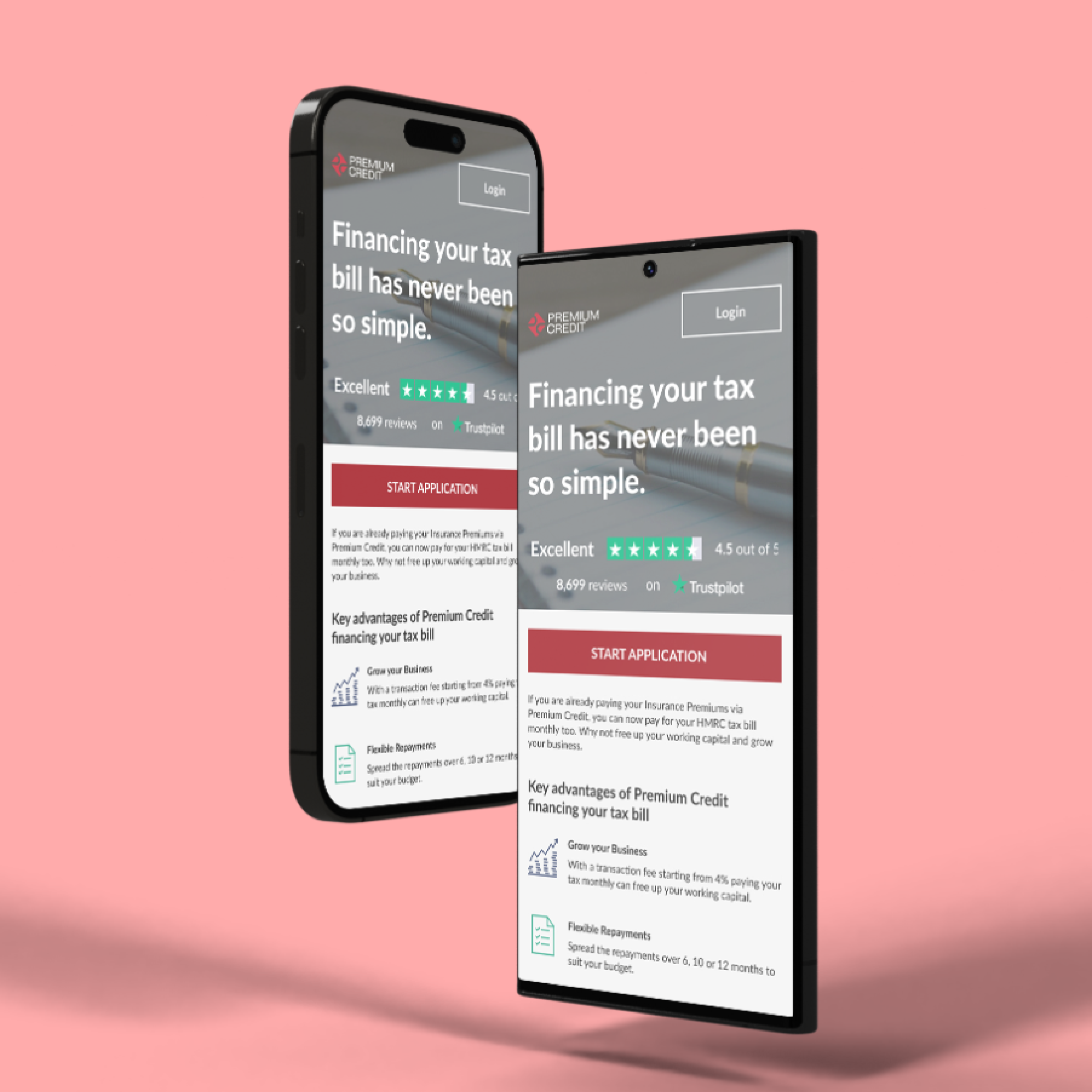
The application is to make a quick and easy way for companies or private individuals can pay their taxes. The main part of this site is the landing page, as it was designed to gain the most valuable information from the user so we can tailor the journey once they are past the landing page.

Client
Premium Credit LTD
Role
Junior UX/ UI Designer
Team
Solo Designer, 8 Developers and 3PM
Timeframe
Apr 2016 - Oct 2016
Journey Map
The primary challenge was the pace of delivery. Each co-branded site had a very short turnaround, often just two to three days from brief to final design. This meant quickly understanding new brand guidelines, campaign objectives, and audience expectations, while still maintaining a high standard of creative and strategic thinking.
It was also demanding to context-switch between multiple briefs running in parallel. At times, this meant shifting focus to a new campaign before another was fully complete, requiring strong organisation, mental agility, and the ability to stay creatively consistent under pressure.
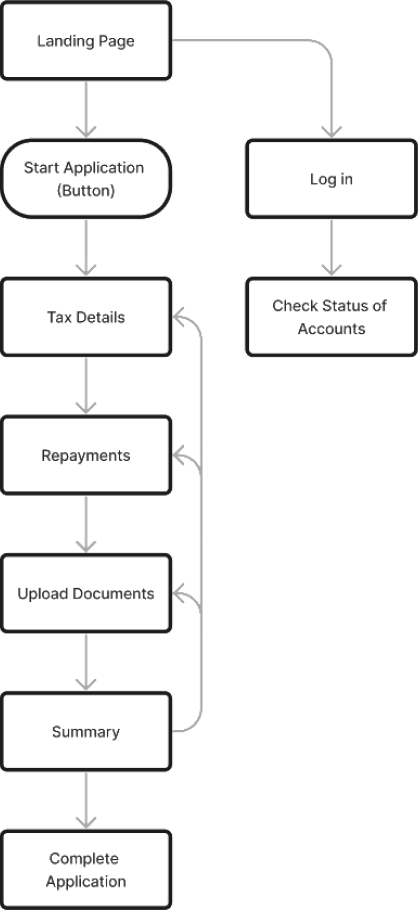
The journey map for Pay your Tax Monthly is very simple, and try to ask the minimum questions. Here is a more in depth journey map, that the user may not see:
- Apply for Premium Credit: Once you've decided to move forward with paying your taxes monthly by premium credit, you'll need to apply for the premium credit. This can typically be done through a financial institution or credit provider.
- Approval Process: The approval process for the premium credit can take some time. You'll need to provide documentation to show that you're a good candidate for the credit, such as your credit score and income.
- Setup Monthly Payments: Once your premium credit has been approved, you'll need to set up your monthly payments. This can typically be done online or through your financial institution. You'll need to choose a payment amount that works for your budget.
- Make Monthly Payments: With your monthly payments set up, you'll need to make sure that you pay your taxes on time each month. This may involve setting reminders for yourself or setting up automatic payments through your bank account.
- Monitor Account: Throughout the year, it's important to monitor your premium credit account to ensure that your payments are being processed correctly and that you're not incurring any additional fees or interest charges.
- Tax Filing: When it's time to file your taxes, you'll need to report your monthly payments made through the premium credit. This should be relatively straightforward if you've been keeping good records throughout the year.
- Renew Premium Credit: If you want to continue paying your taxes monthly by premium credit in future years, you'll need to renew your premium credit each year. This will involve going through the approval process again and setting up your monthly payments for the upcoming tax year.
The Process
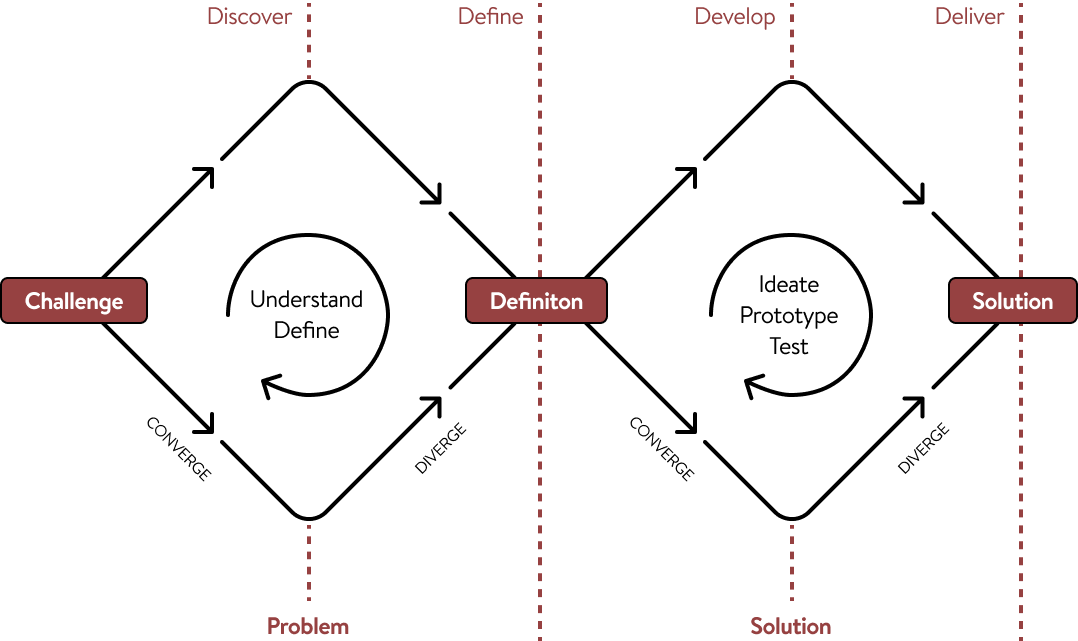
Every project starts with understanding the problem before designing a solution. I use the Double Diamond design process as a guide because it keeps the work focused on real user needs while ensuring the final product meets business goals.
Discover (Understanding the Problem)
Before opening Figma, I take time to learn about the business, the users, and the challenges they're facing.
This might include:
- Learning about your business goals
- Understanding your target audience
- Reviewing existing products or websites
- Looking at competitors and industry trends
- Identifying pain points and opportunities
The goal is to build a clear picture of what needs to be solved—not just what needs to be designed.
Define (Creating a Clear Direction)
Once the research is complete, I organise the findings into a clear plan.
During this stage, I:
- Prioritise the biggest user and business needs
- Define project goals
- Map out user journeys
- Decide which features or pages will have the greatest impact
This creates a strong foundation before moving into design, helping avoid unnecessary revisions later.
Develop (Exploring Solutions)
With a clear direction in place, I begin designing and testing ideas.
This typically includes:
- Wireframes
- User flows
- Interface design
- Interactive prototypes
- Gathering feedback and refining the design
Rather than settling on the first idea, I explore different approaches to find the solution that works best for both users and the business.
Deliver (Building the Final Product)
The final stage is about turning the chosen solution into something ready to launch. This includes:
- High-fidelity UI designs
- Design systems and components
- Developer handoff
- Final quality checks
- Support during implementation when needed
The result is a polished, user-focused product that is designed to solve real problems, not just look good.
Why This Process Matters
Following a structured design process helps reduce guesswork, keeps projects aligned with business goals, and ensures every design decision has a purpose.
It also creates better communication throughout the project, giving clients visibility into each stage and confidence that we're solving the right problem before investing time in the final design.


Say Hello
I’m open for freelance and permanent role opportunities. Or simply say hello, if you like the site!
LinkedIn
me@alexwaters.co.ukSite designed and built by Alex Waters
©2026
Pay your Tax Monthly
The application is to make a quick and easy way for companies or private individuals can pay their taxes. The main part of this site is the landing page, as it was designed to gain the most valuable information from the user so we can tailor the journey once they are past the landing page.

Client
Premium Credit LTD
Role
Junior UX/ UI Designer
Team
Solo Designer, 8 Developers and 3PM
Timeframe
Apr 2016 - Oct 2016
Journey Map
The primary challenge was the pace of delivery. Each co-branded site had a very short turnaround, often just two to three days from brief to final design. This meant quickly understanding new brand guidelines, campaign objectives, and audience expectations, while still maintaining a high standard of creative and strategic thinking.
It was also demanding to context-switch between multiple briefs running in parallel. At times, this meant shifting focus to a new campaign before another was fully complete, requiring strong organisation, mental agility, and the ability to stay creatively consistent under pressure.
The journey map for Pay your Tax Monthly is very simple, and try to ask the minimum questions. Here is a more in depth journey map, that the user may not see:
- Apply for Premium Credit: Once you've decided to move forward with paying your taxes monthly by premium credit, you'll need to apply for the premium credit. This can typically be done through a financial institution or credit provider.
- Approval Process: The approval process for the premium credit can take some time. You'll need to provide documentation to show that you're a good candidate for the credit, such as your credit score and income.
- Setup Monthly Payments: Once your premium credit has been approved, you'll need to set up your monthly payments. This can typically be done online or through your financial institution. You'll need to choose a payment amount that works for your budget.
- Make Monthly Payments: With your monthly payments set up, you'll need to make sure that you pay your taxes on time each month. This may involve setting reminders for yourself or setting up automatic payments through your bank account.
- Monitor Account: Throughout the year, it's important to monitor your premium credit account to ensure that your payments are being processed correctly and that you're not incurring any additional fees or interest charges.
- Tax Filing: When it's time to file your taxes, you'll need to report your monthly payments made through the premium credit. This should be relatively straightforward if you've been keeping good records throughout the year.
- Renew Premium Credit: If you want to continue paying your taxes monthly by premium credit in future years, you'll need to renew your premium credit each year. This will involve going through the approval process again and setting up your monthly payments for the upcoming tax year.
The Process
Every project starts with understanding the problem before designing a solution. I use the Double Diamond design process as a guide because it keeps the work focused on real user needs while ensuring the final product meets business goals.
Discover (Understanding the Problem)
Before opening Figma, I take time to learn about the business, the users, and the challenges they're facing.
This might include:
- Learning about your business goals
- Understanding your target audience
- Reviewing existing products or websites
- Looking at competitors and industry trends
- Identifying pain points and opportunities
The goal is to build a clear picture of what needs to be solved—not just what needs to be designed.
Define (Creating a Clear Direction)
Once the research is complete, I organise the findings into a clear plan.
During this stage, I:
- Prioritise the biggest user and business needs
- Define project goals
- Map out user journeys
- Decide which features or pages will have the greatest impact
This creates a strong foundation before moving into design, helping avoid unnecessary revisions later.
Develop (Exploring Solutions)
With a clear direction in place, I begin designing and testing ideas.
This typically includes:
- Wireframes
- User flows
- Interface design
- Interactive prototypes
- Gathering feedback and refining the design
Rather than settling on the first idea, I explore different approaches to find the solution that works best for both users and the business.
Deliver (Building the Final Product)
The final stage is about turning the chosen solution into something ready to launch. This includes:
- High-fidelity UI designs
- Design systems and components
- Developer handoff
- Final quality checks
- Support during implementation when needed
The result is a polished, user-focused product that is designed to solve real problems, not just look good.
Why This Process Matters
Following a structured design process helps reduce guesswork, keeps projects aligned with business goals, and ensures every design decision has a purpose.
It also creates better communication throughout the project, giving clients visibility into each stage and confidence that we're solving the right problem before investing time in the final design.

Site designed and built by Alex Waters
©2026
Say Hello
I’m open for freelance and permanent role opportunities. Or simply say hello, if you like the site!
LinkedIn
me@alexwaters.co.uk